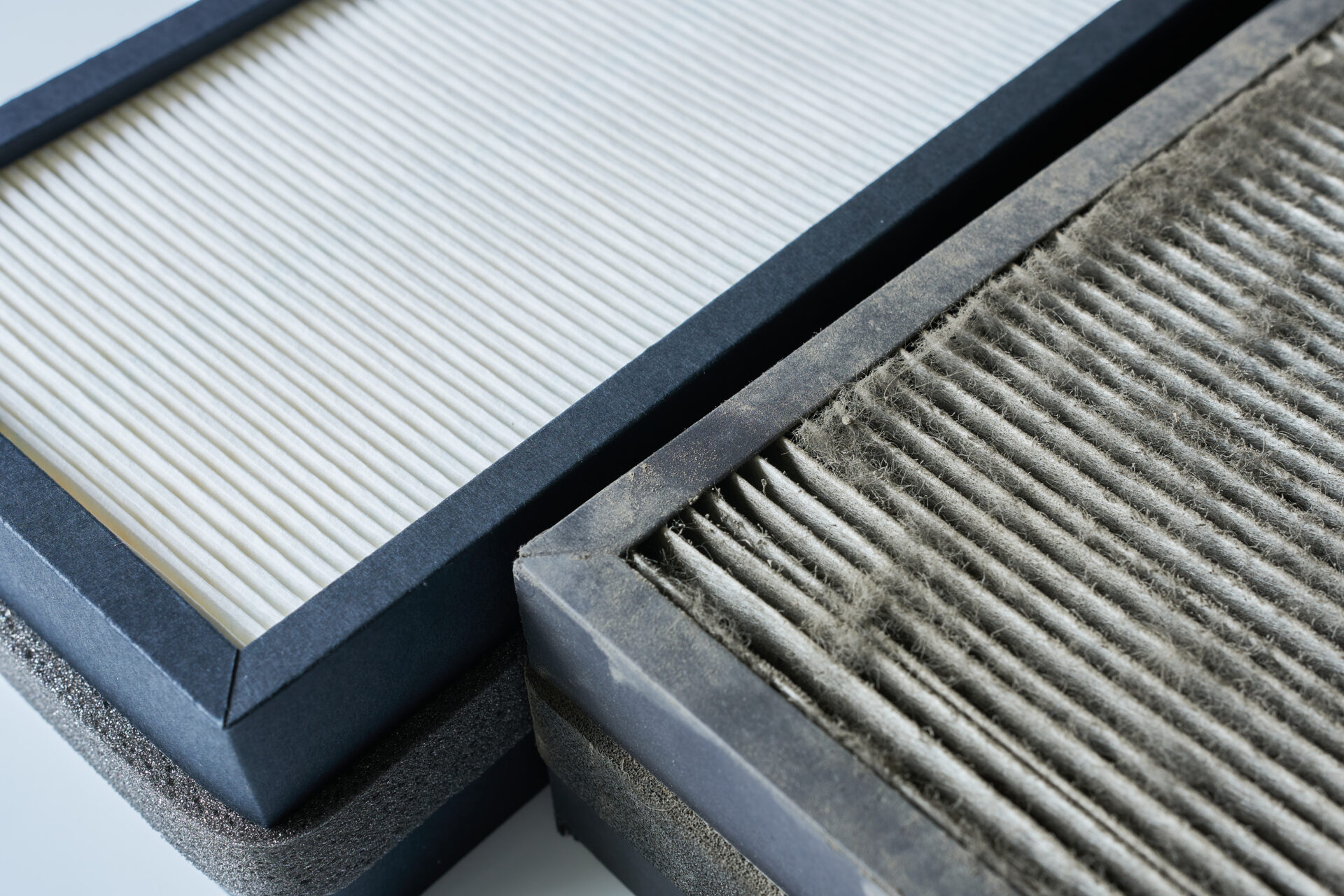
Your air conditioner’s filter might seem like a small component, but it plays a crucial role in your system’s performance and your family’s comfort. A dirty air filter can cause a cascade of problems, affecting everything from air quality to energy efficiency. Understanding what happens when your filter becomes clogged helps you appreciate why regular filter changes are one of the most important maintenance tasks for North Alabama homeowners.
Immediate Impact on System Performance
When your air filter becomes dirty and clogged, it restricts airflow through your HVAC system, forcing your air conditioner to work much harder to circulate air throughout your home. This reduced airflow means less cool air reaches your living spaces, making your system run longer cycles to maintain comfortable temperatures. Dirty air filter symptoms include uneven cooling, increased energy bills, and your system running constantly without effectively cooling your home. The harder your system works, the more wear and tear it experiences, potentially shortening its lifespan significantly.
Air Quality and Health Concerns
Beyond system performance, a dirty filter fails to do its primary job – cleaning the air in your home. As filters become saturated with dust, pollen, pet dander, and other contaminants, they can no longer trap new particles effectively. Some debris may even be pushed back into your home’s air supply, creating poor indoor air quality that can trigger allergies and respiratory issues. Signs of dirty air filter problems include increased dust on furniture, worsening allergy symptoms, and stale or musty odors when your system runs. For families with asthma or allergies, maintaining clean filters is especially important for health and comfort.
Long-Term System Damage
Continuing to operate your air conditioner with a severely dirty filter can cause serious damage to expensive components. Restricted airflow forces your system’s blower motor to work overtime, potentially leading to premature failure. The evaporator coils can freeze due to inadequate airflow, while the compressor may overheat from the increased workload. These issues often require costly repairs that could have been prevented with simple filter maintenance. Regular filter changes are far more affordable than replacing major system components.
Prevention and Solution
The good news is that preventing these problems is simple and affordable. Most residential filters should be changed every 1-3 months, depending on your home’s specific conditions, such as pet ownership, family size, and local air quality. During peak cooling season in Alabama, you may need to change filters more frequently due to increased system runtime. Setting a regular schedule and keeping spare filters on hand ensures you never forget this critical maintenance task.
At Alabama Climate Control, we help Huntsville-area homeowners maintain healthy, efficient HVAC systems through education and professional service. Our team can recommend the right filter type for your system and show you how simple maintenance prevents costly problems.
Ready to improve your air quality and system efficiency? Contact our team today to learn more about proper HVAC maintenance and schedule service with North Alabama’s trusted heating and cooling experts!