You Got the Keys. Did Anyone Hand You the Furnace’s Story?
Closing day feels great. You signed the papers and got the keys, and the house is finally yours.
Then the first cold night in North Alabama shows up. You flip the thermostat to “heat,” and a dusty, burning smell drifts out of the vents. Is that normal? Is the thing safe? How old is it, anyway?
Sound familiar? Most new homeowners don’t get a furnace history with the house. The sellers may not remember the last service visit. The home inspector checked that it turned on, and that was about it.
It’s frustrating to own something this important and know nothing about it. The good news is that you can fix that in one afternoon. This guide covers how to find your furnace’s age, what you can check yourself, what real furnace maintenance includes, and how to tell whether a technician is giving you advice or a sales pitch.
Your Furnace Has a Past. Here’s How to Read It
Every furnace has a metal data plate, usually inside the lower access panel. It lists the model number and serial number. That serial number is the key to the whole puzzle.
Most brands build the manufacture date into the serial number. Some use the first four digits for the year and week. Others use a letter code. If you can’t crack it, snap a photo and search “[brand] serial number age.” Or ask your technician on the first visit. They decode these all the time.
Clues Hiding in Plain Sight
Look around the furnace too. A service sticker on the cabinet may show the last tune-up date. A filter with a date written on it tells you when someone last cared. A thick gray blanket of dust on the filter tells you something else.
Here’s the thing: no sticker doesn’t mean no care. But it does mean you should treat the furnace as “unknown” until a pro looks inside.
What a Furnace’s Age Tells You
Age doesn’t decide everything. A well-kept 16-year-old furnace can outrun a neglected 8-year-old one. Still, age sets expectations, and it helps you plan your budget before winter does it for you.
| Furnace Age | What to Expect | Your Best Next Step |
| 0–7 years | Should run well; may still be under warranty | Find the warranty, register it if allowed, and book a yearly tune-up |
| 8–14 years | Prime middle age; wear parts start to show | Schedule maintenance now; ask for a written list of worn parts |
| 15–20 years | Nearing typical lifespan for gas furnaces | Get a full inspection; start a replacement fund, but don’t panic |
| 20+ years | Living on borrowed time; safety checks matter most | Ask for an honest repair-vs-replace comparison in writing |
That last row is where a lot of people get nervous. And honestly? That’s where some HVAC companies count on you being nervous.
What Real Furnace Maintenance Includes (and What It Skips)
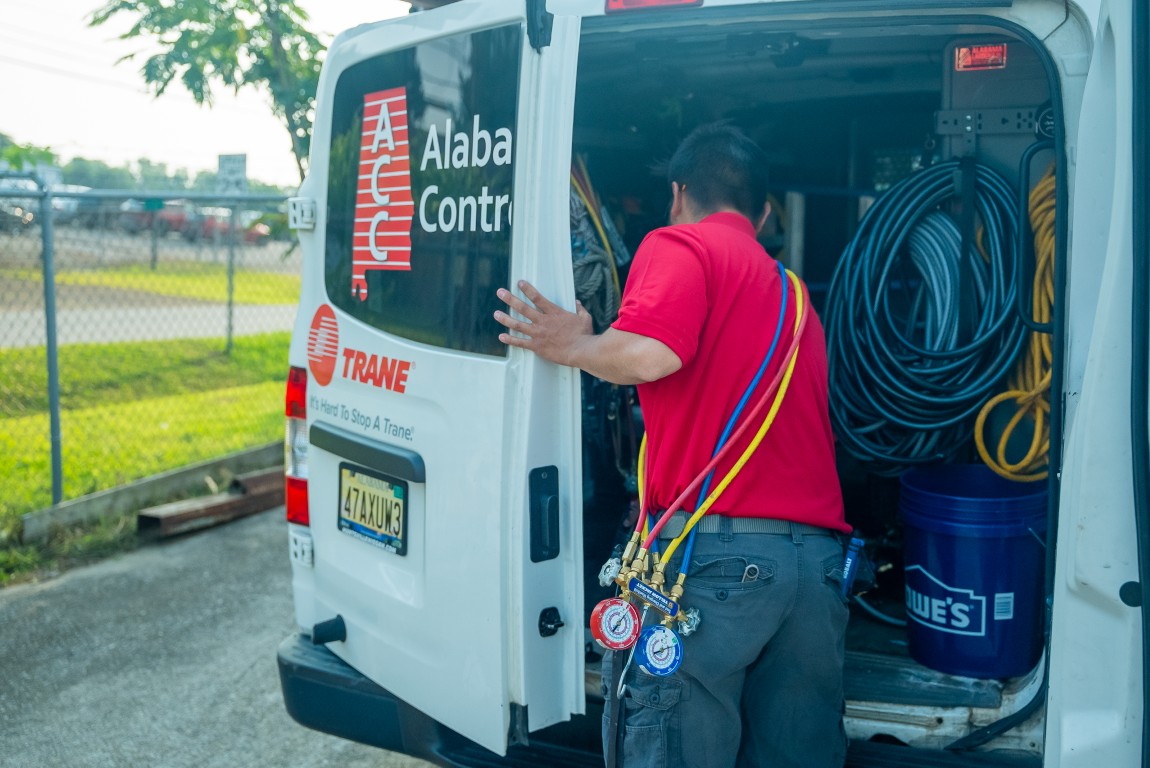
A real furnace maintenance visit is more than a quick look and a new filter. A trained tech should test, clean, and measure. You should come away knowing more about your system than you did before.
The Safety Side
Gas furnaces burn fuel inside your home. So the first job is safety. A good technician inspects the heat exchanger for cracks, checks the flue and venting, tests for carbon monoxide, and confirms the flame looks right. They also make sure the safety switches shut the system down when they’re supposed to.
The Performance Side
Next comes the stuff that keeps your bills down. The tech cleans the flame sensor, checks the igniter, tests the blower motor, and tightens electrical connections. They’ll check gas pressure and the temperature rise across the furnace, and they’ll make sure the condensate drain is clear on high-efficiency models.
You can see what a full visit covers on the heating maintenance page.
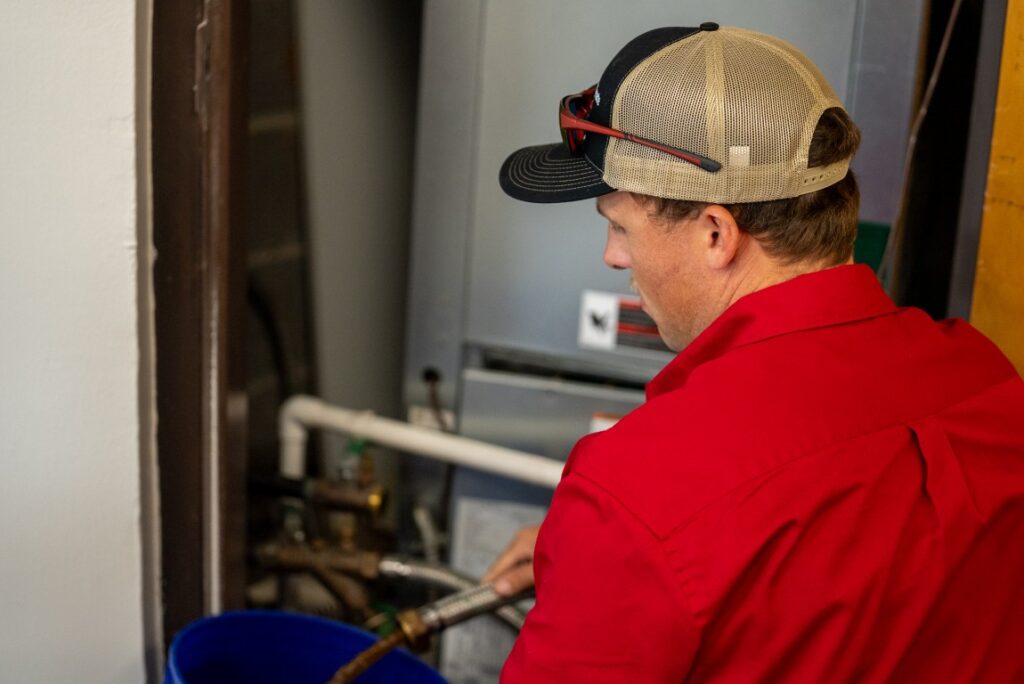
What You Can Do Yourself
Some things don’t need a pro. Change the filter every one to three months. Keep stuff stored at least a few feet away from the furnace. Keep supply and return vents open and clear of rugs and furniture. And put a carbon monoxide detector near the bedrooms if the house doesn’t have one. That one’s not optional.
The exception is anything behind the burner panel. Gas valves, the heat exchanger, and wiring are a job for a licensed tech. No YouTube video changes that.
The North Alabama Twist Nobody Mentions
Look, our winters are short. In Huntsville or the Shoals, your furnace might sit dark for eight months a year. That sounds easy on the equipment, right?
Not quite. Long idle stretches let dust settle on burners and flame sensors. Wasps and mud daubers love a quiet flue pipe. Our humid summers can bring rust to parts that sit in a damp crawl space or garage. So the first cold snap tends to wake up every problem at once, right when every HVAC company in town is slammed.
That’s why fall is the smart time for furnace maintenance here. Book it in September or October, before the first frost. You’ll get a calmer schedule, and you’ll have time to fix small issues before they turn into a no-heat call at 2 a.m.
Heat Pump or Furnace? Check Before You Book
Many North Alabama homes use a heat pump, or a heat pump paired with a gas furnace as backup. New owners don’t always know which one they have. Peek at the outdoor unit and the indoor cabinet’s label, or just tell the scheduler you’re not sure. A good company will figure it out on the first visit, no judgment.
The First Visit Is a Baseline, Not a Bill
Here’s what matters most for a new homeowner. Your first furnace maintenance visit should do more than clean things. It should build the service history the sellers never gave you.
Ask your technician to write down the furnace’s age, its condition, any parts that look worn, and what you should watch for. Keep that report with your closing papers. Next year, you’ll compare. In five years, you’ll have a real record, which also helps when you sell the house someday.
Trust Is the Hard Part
You might feel overwhelmed by this part. You don’t know HVAC. You don’t know the tech. And you’ve heard stories about people being told they “need” a new system on the very first visit.
That fear is fair. In a lot of the industry, technicians earn commission on what they sell. When a tech gets paid more for a $10,000 replacement than a $200 repair, you have to wonder what’s behind the advice.
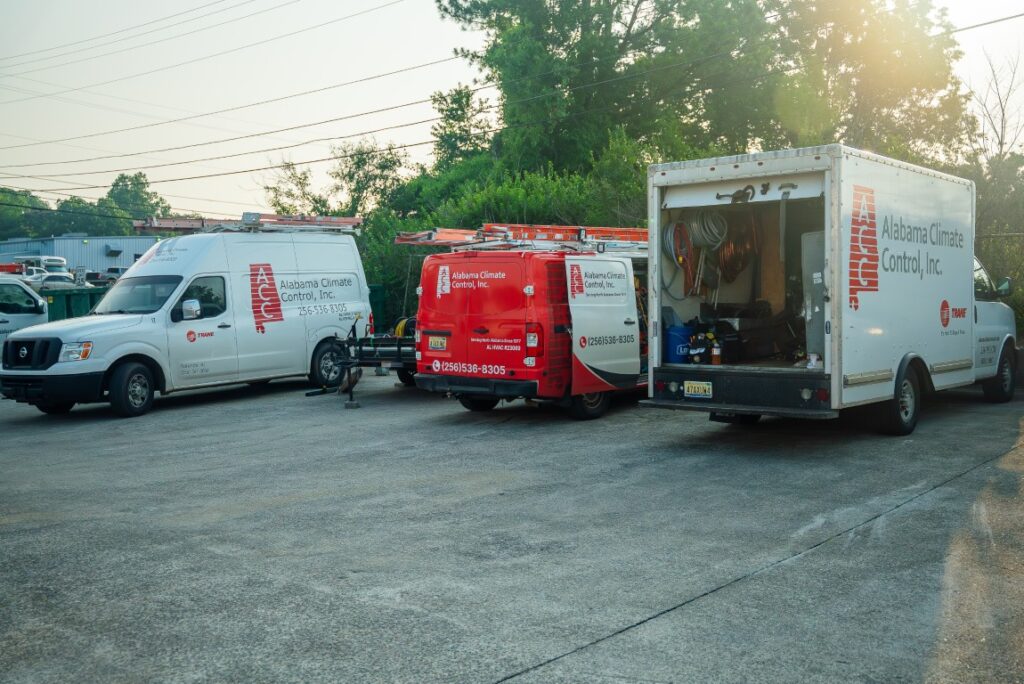
At Alabama Climate Control, technicians don’t earn commission. They’re paid to fix problems, not to sell equipment. So if your 17-year-old furnace has a few good winters left, they’ll tell you. If something isn’t safe, they’ll tell you that too, and show you why.
Repair, Replace, or Just Wait?
Sooner or later, every homeowner faces this question. Here’s an honest way to think about it.
Repair usually makes sense when the furnace is under 15 years old, the fix is a single part, and the system has been reliable. Replacement starts to make sense when the repair costs a big chunk of a new unit’s price, the furnace is near or past 20, or repairs keep stacking up year after year.
A cracked heat exchanger changes the math completely. That’s a safety issue, not a budget question. Ask to see the crack with a camera or photo. A trustworthy tech won’t mind.
And sometimes the answer is “wait.” Maybe your furnace is old but healthy, and it can wait until spring or even another season. A straight answer like that is worth a lot. If repair is the call, the heating repair team can handle it. If it’s time for something new, review heating installation options and financing before you decide.
Don’t Forget What the Furnace Breathes
Your furnace is only as good as the air moving through it. Leaky or dirty ducts make it work harder and spread dust around the house. If the previous owners had pets or did a remodel, the ducts may hold years of debris.
Ask during your visit whether air duct cleaning makes sense, or whether your home could use a look at indoor air quality. Just don’t let anyone push it if your ducts look fine. Some homes need it. Many don’t.
Make It a Habit, Not a Scramble
One visit gives you a baseline. A yearly routine keeps it going. A preventative maintenance plan puts heating and cooling checkups on the calendar so you don’t have to remember them. That matters in a state where you’ll run the AC hard in July and the heat on a few icy January nights.
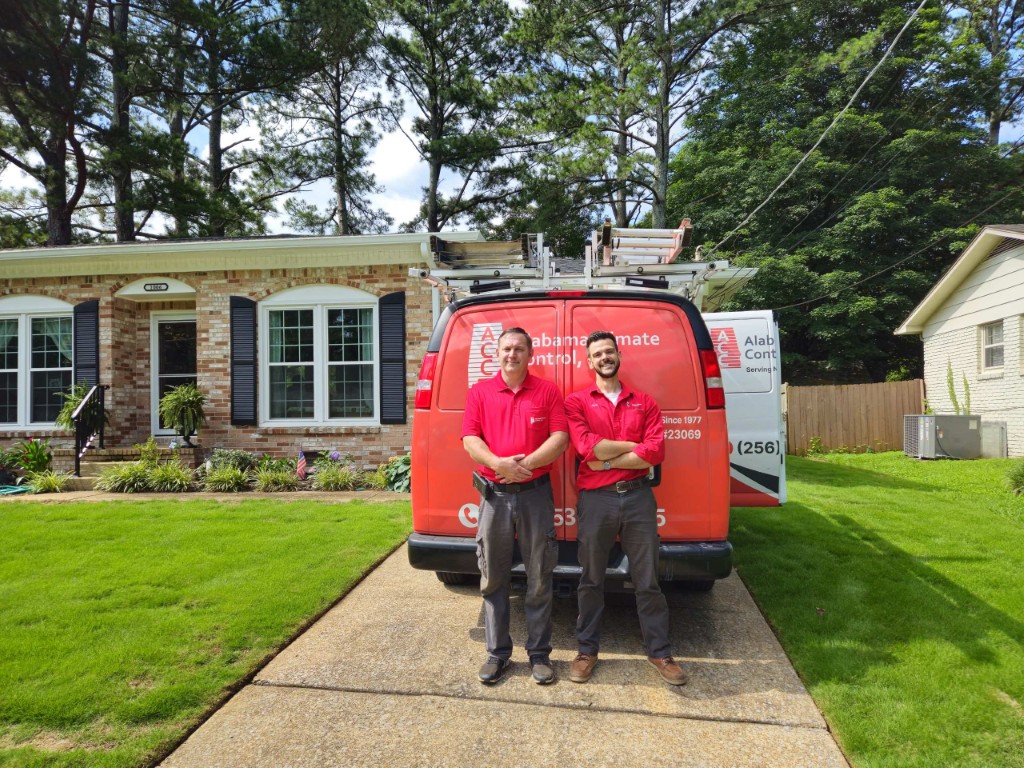
Alabama Climate Control has served the Tennessee Valley since 1977. Many of its techs have been with the company 15 years or more. Jason Bridges, for one, has been there over 20. That kind of tenure means the same faces year after year, and someone who knows your system’s history. You can learn more about the team on the who we are page.
Frequently Asked Questions
How often does a furnace need maintenance?
Once a year, ideally in early fall. In North Alabama, furnaces sit idle most of the year, so a pre-season check catches dust, pests, and corrosion before the first cold snap. Change filters every one to three months between visits.
I just bought my home. Should I get furnace maintenance even if it seems to work fine?
Yes. A home inspection usually confirms the furnace turns on. It rarely includes a full heat exchanger check, combustion testing, or a carbon monoxide test. A first maintenance visit gives you a safety check and a written baseline, which replaces the service history you never got.
Is a burning smell normal when I first turn on the heat?
A light dusty smell for the first 15 to 30 minutes is common after months of sitting idle. It’s dust burning off the heat exchanger. If the smell lasts longer, smells like rotten eggs, or smells like melting plastic or wiring, shut the system off and call a technician. A rotten-egg smell can mean a gas leak, so leave the house and call your gas company first.
How do I know if a technician is upselling me?
Ask how they’re paid. Commission-based techs earn more when you buy more. Then ask for the repair-vs-replace numbers in writing, along with photos of any problem part. Honest advice holds up when you see the evidence. At Alabama Climate Control, techs don’t earn commission, so the recommendation is based on what your home needs.
From Mystery Box to Known Quantity
You don’t need to become an HVAC expert to own a home. You just need a few facts and someone you can trust.
Find the serial number and learn your furnace’s age. Keep up the easy stuff like filters and a CO detector. Book furnace maintenance in the fall, and treat that first visit as the start of your home’s service record. When the big repair-or-replace question comes up, ask for the numbers and ask how the tech gets paid.
Ready to find out what you’re working with? Contact Alabama Climate Control or call (256) 979-0618 to book your furnace’s first checkup. Bring your questions. You’ll get a straight answer.