The First Cold Night Tells You a Lot About Your Furnace
It’s the first chilly night of fall. You click the heat on, and the house fills with that dusty, burning smell. Your kid starts sneezing, and your partner reaches for the inhaler.
Sound familiar?
That smell is usually harmless dust burning off. But it’s also a reminder that your furnace sat untouched for seven months. Now it’s about to run every day, often while your family sleeps.
For most homes, skipping a tune-up means a higher bill. For a home with a child who has asthma or a baby in the nursery, the stakes are higher. This guide covers what furnace maintenance checks, how it protects your family’s lungs and safety, and how to spot a tune-up that’s really a sales call.
Why Your Furnace Matters More When Kids Are Home
The Gas You Can’t See or Smell
Here’s the thing about carbon monoxide (CO). It has no color, no smell, and no taste. A gas furnace makes some CO every time it burns fuel, and a healthy system sends it outside through the flue.
The trouble starts when something breaks. A cracked heat exchanger, a blocked vent, or a dirty burner can let CO leak into the air your family breathes.
Kids are more at risk than adults. They breathe faster, so they take in more CO in less time. Early signs like headache, upset stomach, and feeling tired look a lot like the flu. A parent could easily miss them.
It’s scary to think about. But you can do something about it.
What It Does to Sensitive Lungs
Your furnace pushes all the air in your house through the ducts several times an hour. If the filter is clogged or the blower is coated in dust, the system spreads those particles into every bedroom.
For a child with asthma, that can mean more coughing at night. For allergy sufferers, it can mean the “winter cold” that never seems to go away. It’s frustrating when you clean the house all the time and your family still can’t breathe easy.
Often the problem isn’t how clean the house is. It’s the air system that’s been spreading dust around unchecked.
What a Real Tune-Up Actually Checks
You might feel overwhelmed by all the parts in a furnace. You don’t need to learn them. You only need to know which checks matter for safety and which matter for comfort.
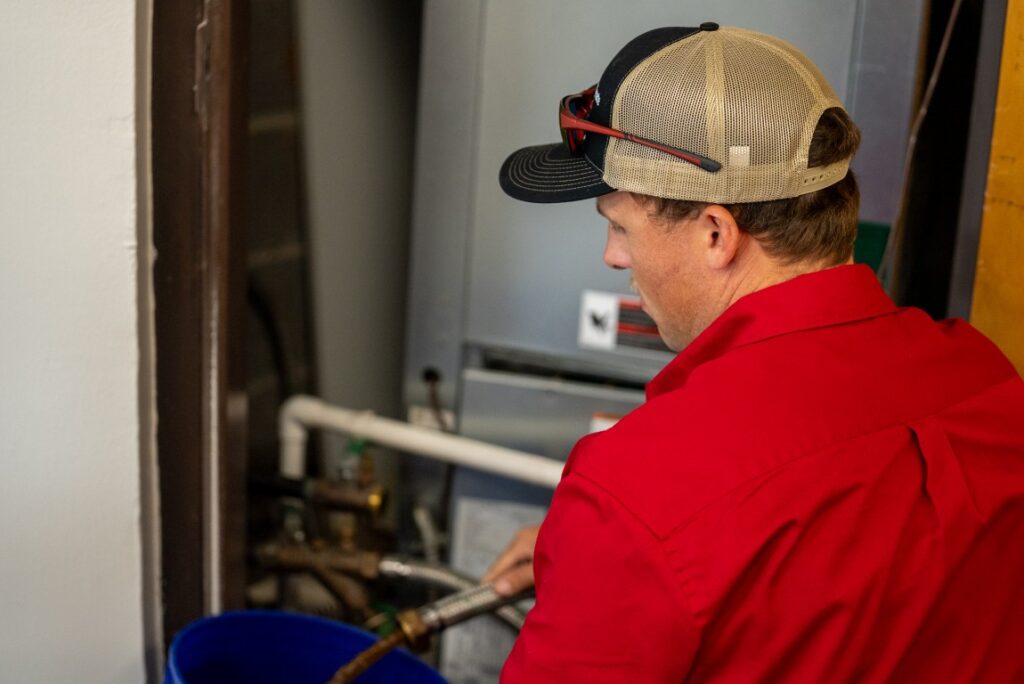
A thorough tune-up from a trained tech covers both. Here’s how the main checks break down.
| What Gets Checked | Why It Matters for Your Family | Warning Sign to Watch For |
| Heat exchanger inspection | A crack can leak carbon monoxide into living spaces | Soot near the furnace, CO alarm going off |
| Flue and venting | A blocked vent can push exhaust back into the house | Rust or water streaks on the vent pipe |
| Combustion and CO test | Measures whether fuel is burning cleanly | Yellow or flickering flame instead of steady blue |
| Burner cleaning | Dirty burners burn poorly and make more CO | Delayed ignition, a booming sound at startup |
| Filter check and fit | Traps dust, pet dander, and pollen | Visible gray buildup, more sneezing indoors |
| Blower motor and wheel | A dirty blower spreads dust through every room | Weak airflow, dusty vent covers |
| Safety switches and limit controls | Shuts the furnace off if something goes wrong | Furnace cycling on and off quickly |
| Thermostat calibration | Keeps temperatures steady for sleeping kids | Rooms way hotter or colder than the setting |
The Check Most People Never Hear About
Look, almost every company says it “inspects” the furnace. But here’s what matters: did the tech actually measure combustion?
A visual look at the flame helps. A combustion analyzer gives you real numbers. It shows how much CO the furnace makes at the flue, and whether that number is rising from year to year.
That year-over-year record is useful. A slow climb in CO readings can point to a problem before it turns into an emergency. Ask your tech to write the numbers down. Keep them with your home records.
Filters: The Cheapest Fix in Your House
This is one job you can do yourself. Most homes need a new filter every one to three months. Homes with pets, smokers, or allergy sufferers should change it closer to every month.
For allergy and asthma households, a pleated filter in the MERV 8 to 13 range usually catches much more than a cheap fiberglass one. The exception is an older furnace. A filter that’s too dense can choke airflow and strain the blower. Ask your tech what your system can handle before you upgrade.
When Should You Schedule Furnace Maintenance?
Fall is the sweet spot. In North Alabama, that means September through early November, before the first real cold snap.
Why not wait? Because once temperatures drop, every HVAC company in the Tennessee Valley gets slammed. Appointments fill up, and repair calls take priority over tune-ups. A fall visit gets you a calmer tech and a better chance of catching problems early.
Once a year works for most homes. But this doesn’t work if your furnace is over 15 years old, or if someone in your home has serious breathing problems. In those cases, ask about a mid-season check, too.
Is a Tune-Up Ever Just a Sales Pitch?
Let’s be honest about something many homeowners worry about.
You book a cheap tune-up. The tech shows up, looks around for ten minutes, and tells you your furnace is “dangerous” and needs replacing. Now you’re facing a $10,000 decision in your own kitchen, with your kids watching.
Why does this happen? In many HVAC companies, techs earn commission on the equipment they sell, so a replacement pays them more than a repair. That doesn’t make every tech dishonest. It does give them a reason to lean toward selling.
How to Tell the Difference
A trustworthy tech shows you the problem. If there’s a cracked heat exchanger, you should see a photo or the crack itself. If CO levels are high, you should see the reading.
A trustworthy tech also gives you options. Repair, replace, or wait and watch, with the cost of each laid out plainly.
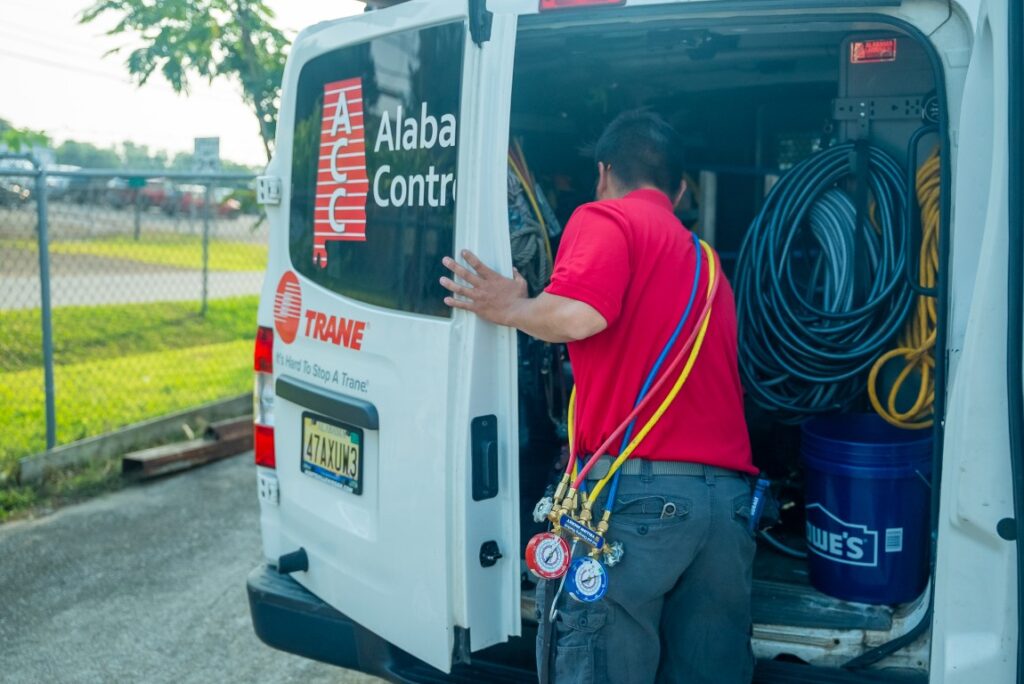
That’s why Alabama Climate Control pays its technicians differently. Our techs don’t earn commission, so nothing pushes them toward a sale. The only reason they’ll suggest something is that your home needs it. Sometimes the straight answer is, “Your furnace is fine. Change the filter and we’ll see you next fall.”
Simple Habits Between Tune-Ups
A yearly visit handles the big stuff. These small habits keep your family safe the rest of the year.
First, put carbon monoxide alarms on every floor and outside each sleeping area. Test them monthly. Replace the batteries when you change your clocks, and replace the alarm itself as the maker suggests, usually every five to seven years.
Next, keep the space around your furnace clear. Laundry piles, paint cans, and storage boxes don’t belong there. Your furnace needs air to burn safely.
Finally, pay attention to your family. If several people feel headaches or sick at home but better once they leave, take it seriously. Get everyone outside and call 911 or your gas company right away.
Want one more pro tip? Look at the flame through the furnace’s viewing window once or twice a winter. Steady blue is good. Yellow, orange, or dancing flames mean it’s time for a service call.
Frequently Asked Questions
How often should a family with allergies get furnace maintenance?
Once a year in the fall is standard. Allergy and asthma households should also change filters monthly and consider indoor air quality upgrades. If symptoms get worse when the heat runs, schedule a mid-winter check of the blower and filter fit.
Can a furnace leak carbon monoxide even if it seems to work fine?
Yes. A furnace can heat your home normally with a cracked heat exchanger or a partly blocked flue. That’s why a combustion test matters more than checking that the heat comes on. Working alarms are your backup between visits.
What’s the difference between furnace maintenance and furnace repair?
Maintenance is planned. It’s a cleaning and safety check meant to prevent problems. Furnace repair fixes something that has already broken. A good tune-up often finds small issues, like a weak igniter, before they leave you without heat at midnight.
Do dirty air ducts affect asthma even after a tune-up?
They can. A tune-up cleans the furnace, but years of dust, pet hair, and debris can still sit in the ducts. If you’ve had remodeling, pets, or water damage, air duct cleaning may help. A tech without a sales quota can tell you whether you need it.
Breathe Easier, Sleep Better This Winter
Here’s the bottom line. Furnace maintenance isn’t really about the furnace. It’s about the people sleeping down the hall.
A real tune-up tests for carbon monoxide with actual numbers. It keeps the blower and filter from spreading allergy triggers. And it catches small problems while they’re still cheap to fix.
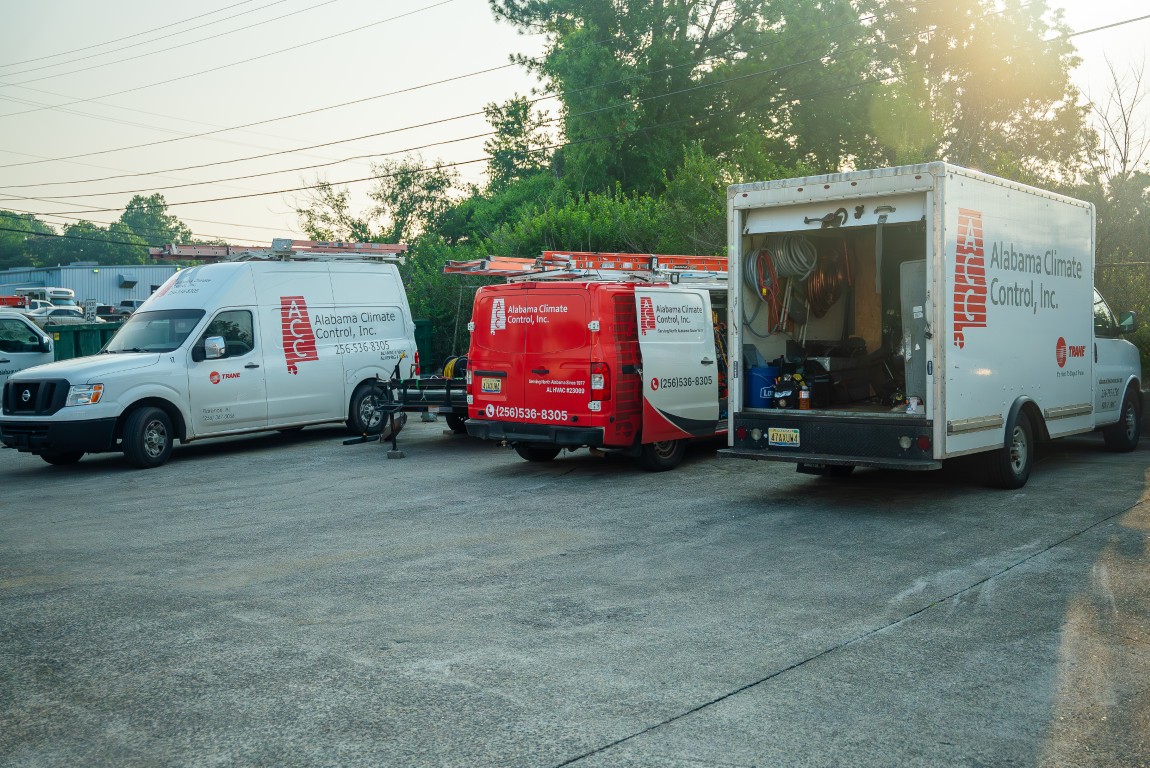
You also deserve a tech you can trust. Alabama Climate Control has served North Alabama families since 1977, with a 5.0 rating from more than 410 neighbors. Our techs are paid to fix, not to sell, so you’ll get the straight answer every time.
Ready to head into winter with peace of mind? Book your furnace tune-up with Alabama Climate Control today, or call (256) 979-0618. If your system is past saving, we’ll walk you through furnace replacement options plainly and without pressure. You can also contact us online.