The Night Your Furnace Picks to Quit
It’s 2 a.m. in January. It’s 24 degrees outside and dropping, and you wake up because the house feels wrong. It’s too quiet. Then you notice the cold.
Sound familiar? If your furnace is 12, 15, or 18 years old, you’ve probably pictured this night more than once. You hear every click and rattle and wonder if this is the winter it finally gives out.
Here’s the good news. Most mid-winter breakdowns don’t come out of nowhere. They start as small problems that build up for months, and good furnace maintenance catches most of them in early fall, while fixes are still cheap and easy to schedule.
In this guide, you’ll learn why older furnaces in North Alabama wear out differently than you might expect, what a real tune-up checks, how to tell whether your furnace is worth fixing, and how to get advice you can trust.
Why Alabama Furnaces Age in Strange Ways
Most furnace advice online comes from places like Minnesota, where heaters run for six months straight. North Alabama is different, and that changes how your furnace wears down.
Your Furnace Works All Summer (Even When It’s Not Heating)
Here’s something most homeowners don’t know. In many Huntsville homes, the furnace’s blower motor is what pushes cold air from your AC through the vents. So that motor isn’t resting from April to October. It’s running hard through the hottest, most humid months of the year.
By the time fall comes, your furnace’s fan may have worked more hours than its burners will run all winter. That’s why a worn blower motor or a weak capacitor is often what fails first on older systems. Heat isn’t the problem. Air movement is.
Long Rests Cause Their Own Problems
Then there’s the other half of the year. Your burners and ignition parts sit unused for six or seven months in damp, sticky air. Moisture can corrode the flame sensor. Dust and debris settle in the burners. Spiders and other bugs sometimes build nests in small openings.
So the first cold snap of the year is when a lot of furnaces fail. The thermostat calls for heat, and a dirty flame sensor can’t confirm the flame. The furnace shuts itself off for safety. You end up with no heat, and so do thousands of your neighbors the same week. Every HVAC phone in town rings at once.
That first-freeze rush is real. It’s also mostly avoidable.
What Real Furnace Maintenance Actually Checks
A tune-up should be more than a filter swap and a quick look. On an older furnace, the inspection is where the value is. Here’s what a thorough visit covers, and why each step matters more as your system ages.
The Safety Checks
The heat exchanger is the metal part that keeps burning gas apart from the air you breathe. After years of heating up and cooling down, the metal can crack. A cracked heat exchanger can let carbon monoxide into your home, and that’s the main reason a yearly safety check matters for older furnaces.
A good technician also tests the flue and venting, checks gas pressure, and makes sure every safety switch shuts the system down the way it should. These aren’t extras. They’re the most important part of the visit.
The Breakdown Preventers
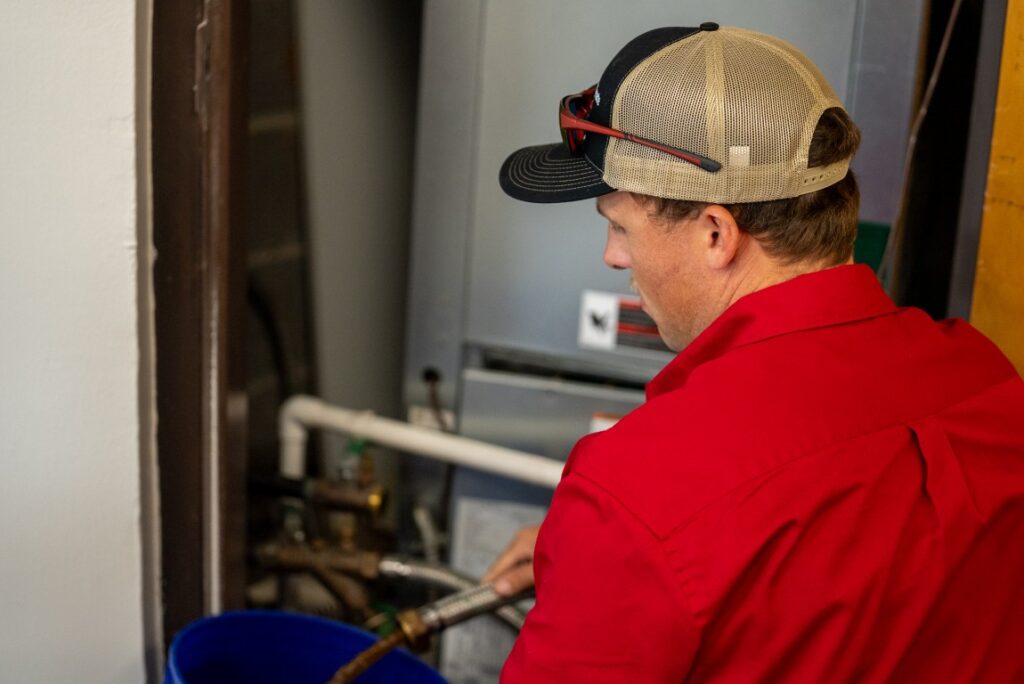
Next comes the stuff that keeps you warm on the coldest night. The tech should clean the flame sensor and burners and check the igniter for cracks or wear. They’ll test the blower motor’s amp draw and capacitor, tighten electrical connections, and look at belts and bearings on older units.
Those motor and capacitor readings tell the tech how close a part is to failing. A capacitor reading below spec in October is a $150-$250 fix done on your schedule. In January, the same part can mean a night without heat.
The Efficiency and Air Quality Pieces
Finally, the tech should check airflow, the filter, and the condensate drain if you have a high-efficiency furnace. Restricted airflow makes an older furnace run hotter and harder, which wears it out faster. If your home stays dusty or some rooms never warm up, the issue may be your ducts or indoor air quality rather than the furnace itself.
Your Furnace’s Age Changes the Game Plan
Not every old furnace is near the end. Some 20-year-old units run fine with care. Some 10-year-old units have been beaten up by poor installs or no upkeep. Still, age gives you a useful starting point.
| Furnace Age | What Usually Wears First | Maintenance Focus | Repair or Replace? |
| 0–8 years | Filters, flame sensor buildup | Yearly cleaning and safety check | Repair almost always makes sense |
| 9–14 years | Igniter, capacitor, inducer motor | Test motors and ignition closely | Repair is usually smart; start a savings plan |
| 15–19 years | Blower motor, control board, heat exchanger wear | Careful heat exchanger inspection every year | Compare costs carefully on any big repair |
| 20+ years | Heat exchanger cracks, multiple parts at once | Safety first; plan for replacement | Replace if the heat exchanger fails or repairs keep stacking up |
One rule of thumb many techs use: multiply the furnace’s age by the repair cost. If the total tops $5,000, replacing usually makes more sense. A $300 repair on a 15-year-old furnace equals $4,500, so fix it. A $600 repair on an 18-year-old furnace equals $10,800, and that’s worth a serious talk.
But here’s the exception. That rule doesn’t apply to safety. If your heat exchanger is cracked, the furnace isn’t safe to run, no matter how cheap the fix looks. Some manufacturers still cover heat exchangers under long warranties, so ask before you assume the worst.
The Fear Nobody Talks About: Getting Upsold
Let’s be honest about what really worries a lot of homeowners with older furnaces. It’s not only the breakdown. It’s the tune-up visit itself.
You book a $100 maintenance call. The tech spends ten minutes looking around, then hands you a quote for a $9,000 system. And you’re left wondering whether your furnace is really dying, or whether someone just needs to hit a sales goal this month.
It’s frustrating. It’s also common. In a lot of HVAC companies, techs earn commission on equipment they sell, so every maintenance visit turns into a sales visit. That doesn’t make every tech dishonest. It does mean their paycheck depends on what they recommend.
How to Tell If You’re Getting a Straight Answer
Want to know the secret? Ask for proof. A good tech can show you the crack in the heat exchanger with a camera. They can read you the capacitor’s rating next to its actual reading. They’ll lay out the repair cost and the replacement cost side by side, in writing, and let you choose.
Also ask how the tech gets paid. It’s a fair question, and you deserve a clear answer.
At Alabama Climate Control, our technicians don’t earn commission, period. They’re paid to fix problems, not to sell equipment. So if your 17-year-old furnace has a few good winters left, we’ll tell you so and show you what to keep an eye on. And if it’s time to replace it, you’ll see the numbers that led us there.
A Simple Fall Plan for Older Furnaces
You don’t need to be an HVAC expert to protect your home this winter. You just need a little planning.
Book Early, Before the First Freeze
In North Alabama, try to schedule heating maintenance between late September and early November. Appointments are easier to get, and any parts your furnace needs can be ordered before demand jumps. Waiting until the first 30-degree night puts you in line with everyone else.
Do Your Own Quick Checks Between Visits
Change your filter every one to three months. Keep the area around your furnace clear of boxes, paint cans, and laundry. Test your carbon monoxide detectors, and put one near the bedrooms if you don’t have one already.
Then just pay attention. A yellow or flickering burner flame, a new rattle or squeal, short heating cycles, or a burning smell that hangs around past the first few days of the season are all worth a call.
Know What “Normal” Sounds Like
That dusty smell on the first cold morning? Normal. It’s just dust burning off the burners and should fade within a day. A loud bang when the burners light, though, can mean delayed ignition, and that needs a look soon. If something feels off, trust your gut and have it checked.
Have a Backup Plan Ready
Even well-kept furnaces can fail. Save your HVAC company’s after-hours number in your phone now, before you need it. If your furnace is over 15 years old, start setting a little money aside each month, so a heating installation becomes a planned choice instead of a 2 a.m. emergency.
Why Experience Matters on an Older System
Older furnaces have quirks. Discontinued parts, outdated control boards, and past repairs made by someone else all make the job harder. A tech who has worked on the same brands for decades can spot trouble faster and find workarounds that a newer tech might miss.
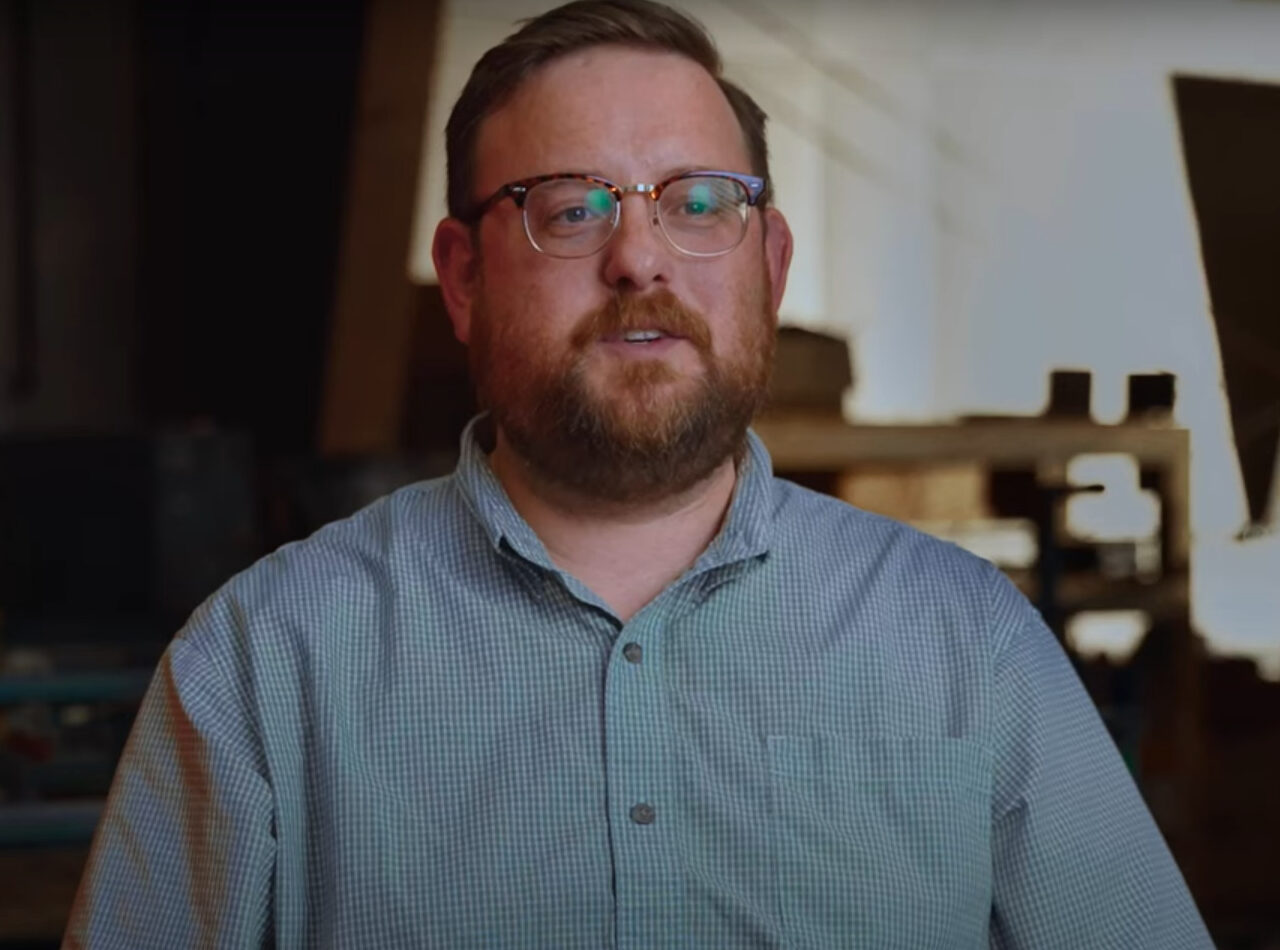
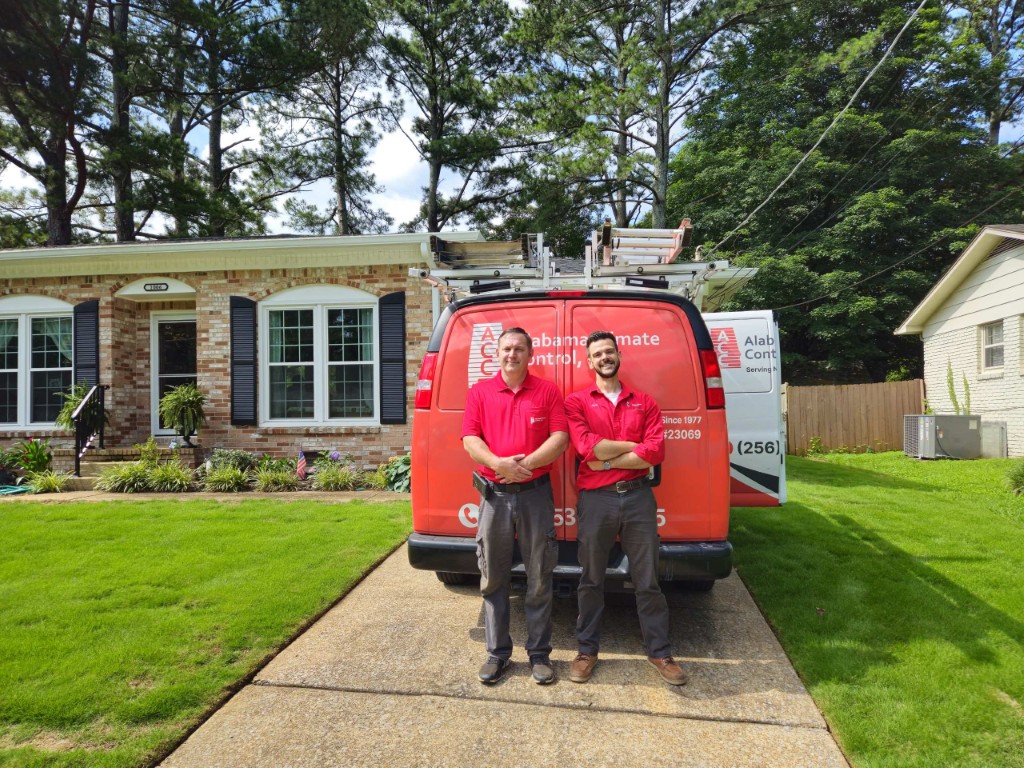
That’s one reason long tenure matters. Alabama Climate Control has served the Tennessee Valley since 1977, and many of our team members have been with us 15 years or longer. Jason Bridges, for example, has more than 20 years with the company. That kind of experience shows when the furnace in front of you is older than some newer techs.
You can learn more about who we are and how our no-commission approach works.
Frequently Asked Questions
How often does an older furnace need maintenance?
Once a year, every fall. Older furnaces don’t need more frequent tune-ups. They need more careful ones. After about 15 years, the yearly heat exchanger inspection becomes the most important part of the visit, since cracks get more likely as the metal ages.
Is furnace maintenance worth it on a 20-year-old furnace?
Yes, and arguably more than on a new one. The safety check alone justifies it, because older heat exchangers are more likely to crack. A tune-up also tells you which parts are close to failing, which helps you decide whether to keep repairing or plan a replacement before winter rather than during it.
Why do so many Alabama furnaces fail on the first cold night?
Furnaces here often sit unused for six months in humid air. Flame sensors corrode, and dust collects in the burners. When the heat finally kicks on, those parts can’t do their job, and the furnace locks out for safety. A fall cleaning heads off most of these failures.
Can maintenance tell me how long my furnace has left?
It can’t give you an exact date, but it can give you a solid picture. Readings on the blower motor, capacitor, and igniter, plus the heat exchanger’s condition, show how worn the system is. A tech with no reason to oversell can turn those readings into an honest estimate.
Sleep Through Winter Without Worrying
An aging furnace doesn’t have to mean a winter of worry. Most breakdowns start small, and good fall maintenance catches them while they’re still easy and cheap to fix. Alabama’s climate means your furnace’s blower works hard all summer, while its burners sit idle and collect dust and moisture. That’s why an early-season checkup matters so much here.
And when the big question comes up, repair or replace, you deserve the straight answer backed by real numbers, not a sales pitch.
If your furnace has a few years on it, don’t wait for that 2 a.m. wake-up call. Alabama Climate Control has 5.0 stars from more than 410 neighbors, and our techs are paid to fix, not to sell. Schedule your furnace maintenance today or call (256) 979-0618. If you’re already dealing with a problem, our heating repair team is ready to help.