That First Cold Snap Shouldn’t Make You Nervous
The first chilly morning hits, you flip the thermostat, and the furnace kicks on with that familiar smell of burning dust. Most years, that’s harmless. But then a quiet worry creeps in. Is this thing safe?
If you’ve heard stories about carbon monoxide, that worry makes sense. It’s invisible. It has no smell. And it’s frustrating that something so serious can hide inside a machine meant to keep you warm.
Here’s the good news. Regular furnace maintenance is the best way to keep your system safe, and most of it is simple. In this guide, you’ll learn what carbon monoxide really is, which warning signs matter, what a proper tune-up covers, and what you can do yourself. We’ll also be honest about when to repair, when to replace, and when to just wait.
Why Carbon Monoxide Worries Seniors Most
Carbon monoxide, or CO, forms whenever fuel doesn’t burn completely. Gas furnaces make a little CO as part of normal operation. Normally, the vent pipe carries it safely outside.
The trouble starts when something goes wrong with that process. A cracked part, a blocked flue, or a dirty burner can push CO into your living space. And you can’t see it, smell it, or taste it.
Why does this hit older adults harder? Some medical conditions, like heart disease or lung problems, leave less room for error. Symptoms such as headache, dizziness, and nausea also look a lot like the flu, or like normal aches. Sound familiar? That overlap is exactly why people miss the signs.
You might also live alone, or sleep more deeply than you used to. Those are real factors. Neither one means you should panic, but both are good reasons to stay ahead of the problem.
What Furnace Maintenance Actually Does
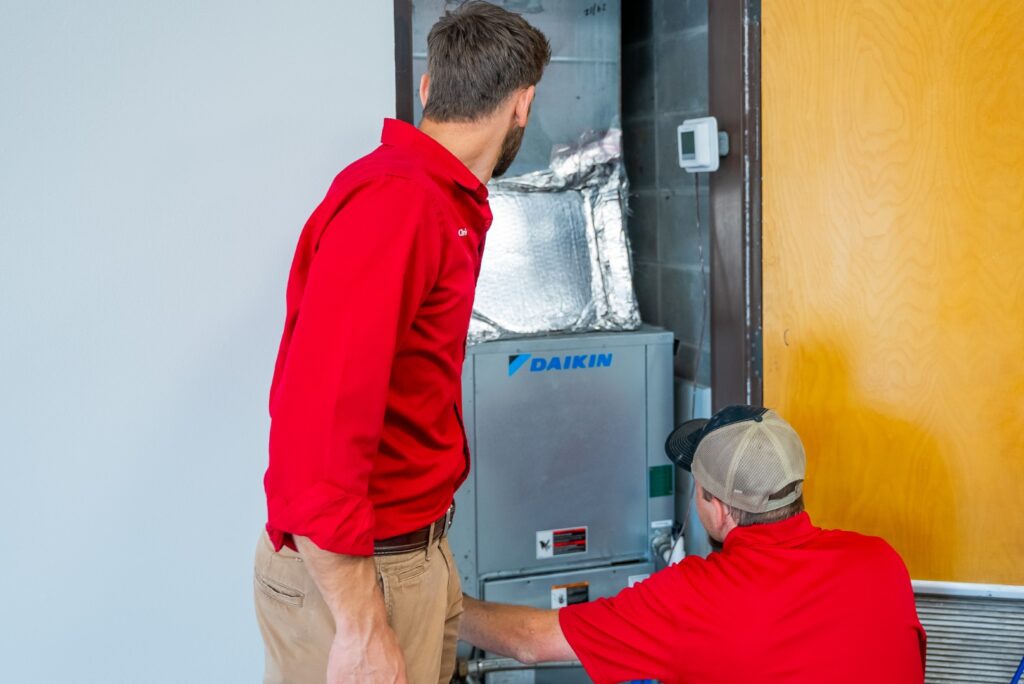
Think of furnace maintenance like a yearly checkup for a machine that works hard all winter. It isn’t a sales pitch. It’s a close look at what’s happening inside your system before cold weather makes any problems worse.
During a professional visit, a trained technician inspects the parts that burn fuel and move air. That includes the burners, the igniter, the flame sensor, the blower, the filter, and the vent system. The technician also checks the heat exchanger, the metal wall that keeps combustion gases separate from the air you breathe.
Here’s the thing: a cracked heat exchanger is one of the most serious furnace problems out there. It’s also hard to spot without the right training and tools.
Want to see what a full visit involves? Alabama Climate Control explains its furnace maintenance service in detail, so you know what to expect before anyone steps through your door.
The Warning Signs You Shouldn’t Ignore
Your home can tell you a lot. You just have to know how to listen.
Soot or brown streaks around the furnace are a red flag. So is a pilot light or burner flame that looks yellow or orange instead of steady blue. Heavy moisture on windows, a musty smell, or a furnace that cycles on and off constantly can also point to trouble.
If you get headaches, feel dizzy, or feel queasy only when the heat is running, and you feel better when you leave the house, take that seriously. Pets acting sick can be another clue.
But here’s what matters most. If a CO alarm sounds, or you suspect CO, don’t investigate. Get everyone outside into fresh air and call 911. Then have the furnace checked before anyone turns it back on.
Your DIY Safety Checklist (No Tools Required)
You don’t need to climb into the attic or take panels off anything. A few small habits go a long way.
Start with carbon monoxide alarms. Place one on every level of your home and one near the bedrooms. Test them monthly by pressing the button. Many alarms also expire after about five to ten years, so check the date printed on the back.
Next, look at your furnace filter. A dirty filter chokes airflow, which makes the system work harder and wear out faster. Most filters need changing every one to three months during heating season. If your arms or back make that chore tough, ask a family member or neighbor to help. Or put it on the list for your technician.
Finally, keep the area around the furnace clear. Boxes, paint cans, and laundry baskets shouldn’t be stacked next to it. Outside, make sure leaves, snow, or nests aren’t blocking the exhaust vent.
This doesn’t replace a professional visit. The exception is a brand-new system under warranty, where a pro may still need to check it on schedule. Either way, these small steps help between visits.
DIY Care vs. Professional Care
So who should do what? This table breaks it down clearly.
| Task | You Can Do It | Call a Professional |
| Test CO alarms | Yes, monthly | Replace if they keep failing |
| Change the air filter | Yes, every 1–3 months | If you can’t reach it safely |
| Clear space around the furnace | Yes | No |
| Check the vent outside | Yes, from the ground | If you see damage or blockage |
| Inspect the heat exchanger | No | Yes, every year |
| Clean burners and flame sensor | No | Yes |
| Test combustion and gas pressure | No | Yes |
| Check the flue and venting | No | Yes |
Notice that the most safety-critical jobs sit in the right-hand column. That isn’t about being fancy. Those parts need special tools, training, and a trained eye.
When to Fix, When to Wait, and When to Replace
Nobody likes the moment a technician says, “We need to talk.” Maybe you’re bracing for a big bill. Maybe you’re wondering whether someone is padding the estimate.
That worry is fair. Many HVAC companies pay their technicians commissions on equipment sales. So the person in your basement may have a reason to push a new furnace even when yours has years left.
Alabama Climate Control does it differently. Our technicians don’t earn commission, so their job is to solve the problem, not to sell you something. Our approach is simple: you’re cared for, not sold to. That’s a big deal when you’re on a fixed income and every dollar counts.
So what should you expect from an honest recommendation? A furnace that runs well, with a minor fix like a dirty flame sensor, should get a repair. If it’s cracked and unsafe, it’s time to talk about options. And if your system is old and repairs keep piling up, replacement may make sense. You can read about furnace repair and furnace replacement before any visit so nothing catches you off guard.
If a new system does come up, ask about financing options and check for limited-time offers and rebates. A good company walks you through numbers and options without pressure.
What Makes North Alabama Different
Our winters swing wildly. One week it’s 70 degrees, and the next you’re scraping frost off the windshield. That back-and-forth means your furnace may sit idle for months, then suddenly run nonstop.
Idle systems collect dust, and dust burns off on startup. Humid summers can also lead to rust or moisture problems in some equipment. A fall tune-up catches problems before you’re relying on the furnace every day.
If your system doubles as air conditioning, you might pair services. A good time to ask about AC maintenance is during the same visit.
Cold air isn’t the only thing in your home worth thinking about, either. If dust, allergies, or stuffy air bother you, indoor air quality services can help. Just remember that better air filtering doesn’t replace a working CO alarm.
Why Experience Matters for Your Peace of Mind
Look, anyone can say “trust us.” What counts is a track record you can check.
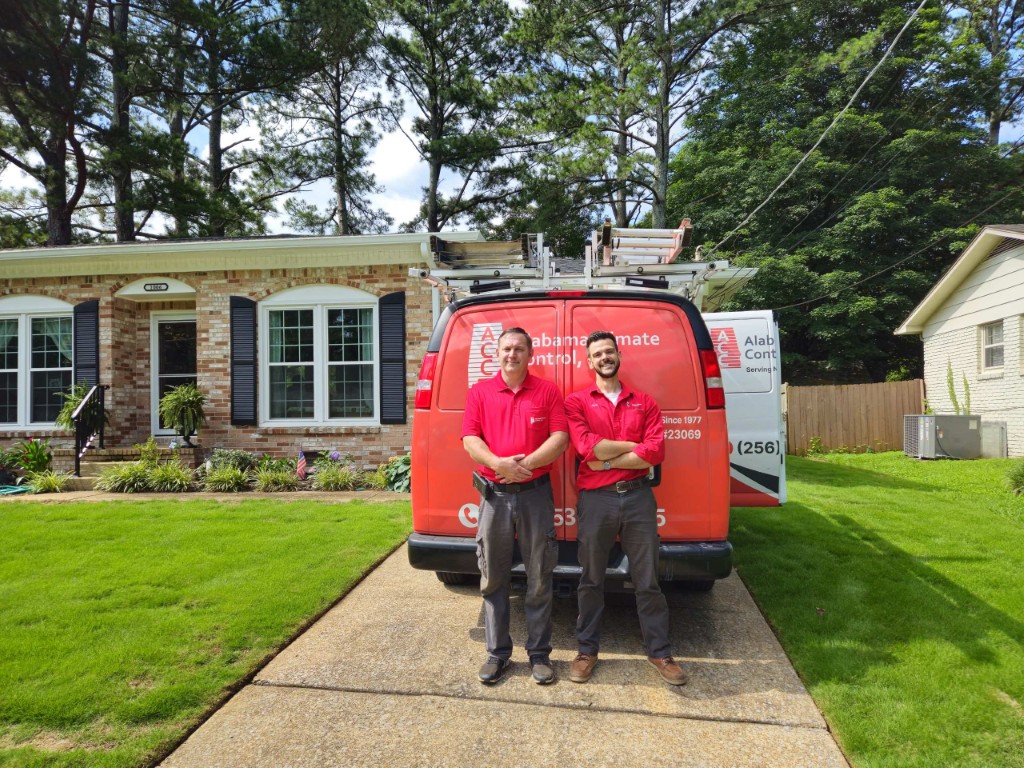
Alabama Climate Control has served North Alabama since 1977, which means decades of seeing what Alabama weather does to heating systems. The company holds Alabama HVAC and refrigeration licenses, and its team is factory-trained and background-checked. That last part matters when someone is coming into your home.
You can learn more about the people behind the work on the Who We Are page. And if you live in Huntsville or Florence, you’ll find local details for your area.
Think about what you’d want in a stranger at your door: someone who explains things clearly, shows you what they found, and never rushes you. Ask any company you’re considering whether it can offer that.
Frequently Asked Questions
How often should I get furnace maintenance?
Once a year is the standard advice, ideally in early fall before you need heat every day. If your furnace is older, or you’ve had CO concerns before, ask your technician whether a second check makes sense.
Can a furnace leak carbon monoxide even if it seems to work fine?
Yes. A furnace can heat your home while leaking CO from a cracked part or blocked vent. That’s why a working furnace isn’t proof of a safe one, and why CO alarms matter so much.
Do I still need a CO alarm if I get yearly maintenance?
Absolutely. Maintenance lowers the odds of a problem, but things can change between visits. An alarm is your around-the-clock backup, especially while you sleep.
How much does furnace maintenance cost?
Prices vary by company and system type. Alabama Climate Control gives a clear estimate before work begins, so you know the cost upfront. Call or request service to get current pricing.
Stay Warm and Stay Safe This Winter
Carbon monoxide is invisible, but the steps that prevent it are simple. Install and test alarms, change your filter, keep the furnace area clear, and schedule a professional inspection every year. Watch for soot, yellow flames, and symptoms that fade when you leave home.
Most of all, you deserve straight answers from someone with no reason to oversell you. You’ve spent a lifetime taking care of your home and the people in it. Now let someone take care of the furnace.
Ready for peace of mind this heating season? Alabama Climate Control is a problem solver for home care, and its team is ready to help. Book your furnace tune-up today, and walk into winter without the worry.