It’s 11 p.m., It’s 28 Degrees, and Unit 14 Has No Heat
Your phone buzzes. Then it buzzes again. Three tenants are texting about cold apartments, and you can already guess which furnaces they are.
Sound familiar? Furnace maintenance feels easy when you own one house. When you manage dozens of units, it becomes a puzzle with a hundred moving pieces. Tenants work different shifts. Some never answer the door. Others forget the appointment you booked three weeks ago.
This guide shows you how to schedule furnace maintenance across many units without losing your mind. You’ll learn when to start, how to group the work, and what to ask a contractor before you sign on.
Why One Missed Furnace Costs More Than You Think
Here’s the thing. A furnace that quits in January never costs just the repair bill. It costs you overtime calls, angry tenants, space heater risks, and sometimes a lease dispute.
Multiply that by a building full of aging equipment. One bad week can eat your whole maintenance budget.
Regular maintenance catches small problems early. A weak igniter, a clogged filter, or a worn blower motor rarely fails in October. They fail on the coldest night, when every heating company in town is slammed and furnace repair calls stack up for days.
It’s frustrating, and it’s also avoidable. That’s the good news.
Why Multi-Unit Scheduling Is So Much Harder
Let’s be honest about the real problem. It’s rarely the furnace. It’s the calendar.
With 40 units, you need 40 access windows. Some tenants need notice by law. Some work nights. Some have pets that don’t love strangers. Every missed appointment means a second trip, and second trips cost money.
You might feel overwhelmed just thinking about it. That’s normal. Even very organized property managers struggle here, because the work depends on other people’s schedules.
The fix isn’t working harder. It’s building a system.
Start Earlier Than Feels Natural
Most managers call for service when the first cold snap hits. By then, every HVAC company is booked solid, and you’re stuck in line.
In the Tennessee Valley, the sweet spot is late summer through early fall. Contractors have open calendars, and tenants aren’t yet cranky about being cold. If you’re reading this in November, don’t panic. Book the rest of your units now and put the highest-risk buildings first.
The exception is a brand-new building with warranty coverage. Those units may need less attention in year one. Even so, a quick check of the filters and the venting is cheap peace of mind.
Group Your Units Like a Pro
Don’t schedule furnace maintenance unit by unit. Schedule it by building, floor, or hallway.
When a technician can finish eight furnaces in one day on one property, you save drive time and trip charges. You also cut down on tenant disruption, because the notice goes out once and the work is done fast.
Look, grouping also helps you spot patterns. If five furnaces in Building C have the same dirty-filter problem, you’ve learned something about that building’s airflow. Sometimes the culprit is the ductwork design itself, and that’s information you can’t get from one-off visits.
Build a Simple Rotation
A rotation keeps things predictable. Here’s an easy model that works for most portfolios.
| Property Size | Suggested Approach | Notice to Tenants | Typical Visit Plan |
| 5–15 units | One or two service days per season | 7–10 days | All units inspected in one visit |
| 16–50 units | Group by building, spread over 1–2 weeks | 10–14 days | Technician works one building per day |
| 51+ units | Phased rotation by building and equipment age | 14 days, plus a reminder 48 hours before | Oldest equipment first, newer units second |
| Mixed ages | Prioritize furnaces over 12 years old | 10–14 days | Extra time for older units |
Check your lease and local rules for required notice. The table above is a practical starting point, not legal advice.
What a Good Furnace Tune-Up Should Actually Cover
Not all maintenance visits are equal. A fast “look and leave” doesn’t protect you.
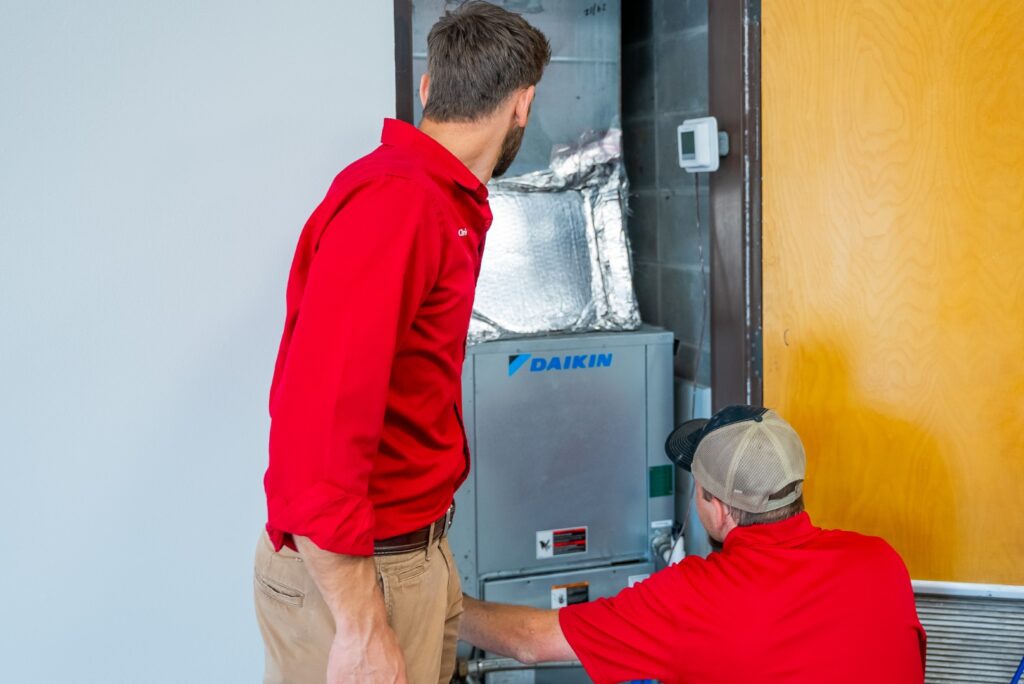
A solid visit includes checking the heat exchanger for cracks, testing the igniter and flame sensor, inspecting the blower, and clearing the condensate drain on high-efficiency models. The technician should also test safety controls and check for carbon monoxide.
That last piece matters most. A cracked heat exchanger can leak carbon monoxide into a living space. In a multi-unit building, that’s a life-safety issue, not a nuisance repair.
Dirty filters also hurt more than comfort. They strain the blower and push dust through the home, so a good visit often ties into indoor air quality too. Tenants with allergies will notice the difference.
Ask for a written report on every unit. You want a record you can point to if a tenant, an inspector, or an insurer ever asks questions.
The Question Nobody Asks: How Is Your Technician Paid?
This is where it gets interesting. And it’s something most property managers never think about.
If a technician earns commission on equipment sales, every visit carries a quiet bias. A tired furnace can start to look like a “replacement opportunity.” You’re left wondering whether the advice is about your building or about somebody’s paycheck.
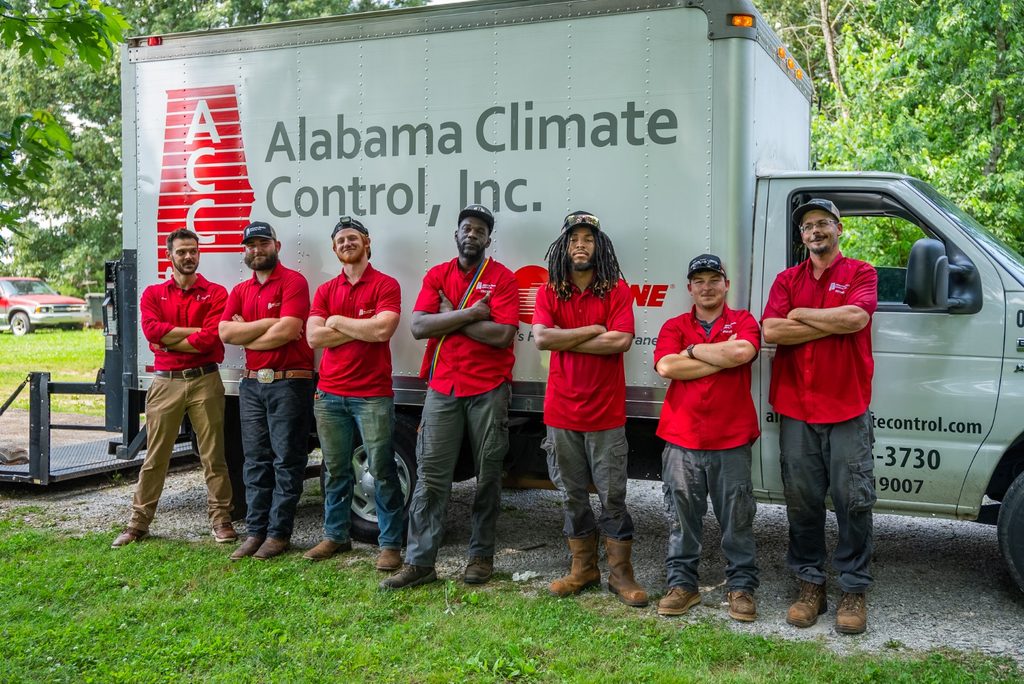
That’s why Alabama Climate Control has built its team around a different model. As the company explains on its Who We Are page, its technicians don’t earn commission. They’re paid to fix problems, not to sell equipment. For a manager juggling many units and a tight budget, that changes the conversation.
You get a straight answer on repair versus replace. You can plan capital spending around real equipment condition instead of sales pressure. And you can trust the report enough to put it in front of an owner.
Repair or Replace? How to Decide Across Many Units
Every portfolio has “that furnace.” You know the one. It’s 18 years old, it’s loud, and it’s been repaired three times.
Here’s a simple way to think about it. Compare the repair cost to the replacement cost, then look at the furnace’s age and history. A single small repair on a mid-life furnace usually makes sense. A big repair on a very old unit with a record of trouble often doesn’t.
But here’s what matters most for a manager. Don’t decide one furnace at a time. Ask your contractor for a ranked list of every unit, from “healthy” to “plan to replace within two years.” Then spread furnace replacement across several budget cycles.
That way you replace on your schedule, not in a January emergency. It also keeps owners from getting hit with one giant bill. Look into financing options and current rebates and limited-time offers before you build the budget, since they can change which year a replacement makes sense.
Tenant Communication That Actually Works
You can book the perfect schedule and still fail if tenants don’t show up. Good communication fixes most of it.
Send the first notice early, and keep it short. Say what’s happening, why it matters, and how long the visit will take. Explain that the check keeps their heat reliable and their home safe. People cooperate when they understand the “why.”
Then send a reminder two days before. A text works better than a letter for most renters. If a tenant misses the window, offer a make-up slot right away so the unit doesn’t slip off the list.
Honestly, a little warmth goes a long way. A friendly note beats a stiff legal notice almost every time.
What to Ask Before You Hire an HVAC Partner
Choosing a contractor for a multi-unit property is different from hiring one for a single home. You need someone who can handle volume, communicate clearly, and stay consistent year after year.
Ask whether they offer maintenance plans for multiple units. Ask if the same technicians return each season, since familiar faces learn your equipment and your buildings. Ask how they report findings and whether you’ll get a unit-by-unit summary. If your portfolio also includes offices, shops, or other commercial properties, ask whether one company can cover both.
Also ask how they handle emergencies. When a no-heat call comes in at 2 a.m., you want a company that picks up. Alabama Climate Control offers after-hours support around the clock and has been serving Huntsville and North Alabama since 1977, with a 5.0 rating across more than 400 reviews. Long-tenured staff, including technicians with 20-plus years at the company, mean your buildings get people who’ve seen it all.
A Simple Yearly Plan You Can Steal
Want a quick framework? Try this rhythm.
In late summer, schedule the full furnace rotation and flag any aging units. In early fall, confirm every unit has been inspected and clear any repair backlog. In winter, keep a short list of emergency contacts and respond fast to tenant reports.
In spring, review the year’s findings and build next year’s replacement list. This is also the time to book air conditioning maintenance, so cooling season doesn’t catch you off guard either. And don’t forget dryer vent cleaning, which is a quiet fire risk in apartment buildings.
It isn’t fancy. But it works, because it turns a scramble into a routine.
Frequently Asked Questions
How often should I schedule furnace maintenance for rental units?
Once a year is the standard, ideally before heating season starts. Older furnaces, or units with a history of problems, may benefit from a mid-season check as well.
How do I schedule furnace maintenance for many units without disrupting tenants?
Group units by building and give tenants about two weeks of notice, with a reminder two days before. Offering morning and afternoon windows helps, and a make-up date keeps missed units from falling behind.
Is furnace maintenance the landlord’s responsibility?
In most cases, yes, since heating is typically part of providing a habitable rental. Rules vary by lease and location, so check your agreement and local requirements.
Can regular maintenance really prevent no-heat emergencies?
It can’t prevent every failure, but it catches many of the common ones early. Worn igniters, dirty filters, and weak blower motors are often found during a routine visit, long before they leave tenants in the cold.
Keep Every Unit Warm, and Your Phone Quiet
Start early, group your units, communicate clearly, and demand honest reports. Then plan replacements on your schedule instead of the weather’s.
The right partner makes all of that easier. Alabama Climate Control is built to be that problem solver for home care and property care, with technicians who give you the straight answer because they have no reason to give you any other kind.
Ready to take furnace season off your stress list? Call (256) 536-8305 or request service to set up a maintenance plan for your properties.