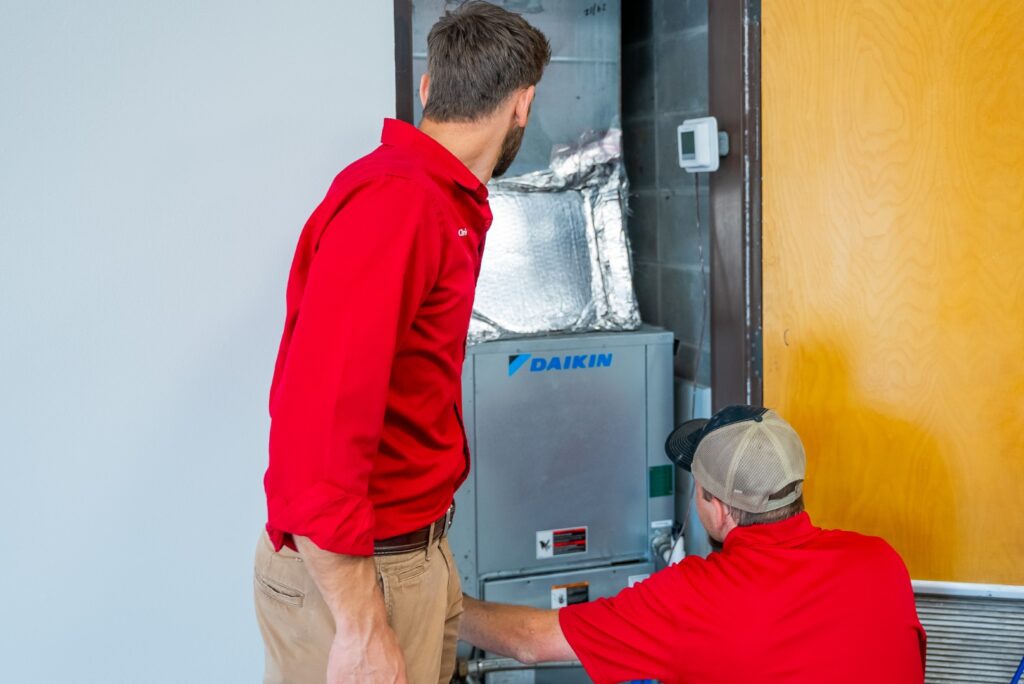
It’s 2 a.m., the House Is Freezing, and Your Furnace Is 18 Years Old
The thermostat says 61. The furnace is making a sound you’ve never heard before. Sound familiar?
If you own an aging furnace, that moment probably crosses your mind every fall. Will it make it through one more winter? Should you fix it? Or is it time to spend serious money on a new one?
Here’s the thing. Most homeowners just guess. They put off the work until something breaks, or they say yes to the first big quote that lands on the kitchen table. Neither move feels great, and it’s frustrating to be stuck in the middle.
Furnace maintenance gives you a smarter third path. It shows you what shape your system is really in, before you’re shivering in the dark. In this guide, you’ll learn what a true tune-up covers, which warning signs matter, and how to sort out repair versus replace. You’ll also see how Alabama Climate Control helps North Alabama families get a straight answer, with no sales pressure attached.
Why Older Furnaces Need More Attention, Not Less
A furnace is a lot like a pickup truck. The first ten years are easy. After that, every worn belt and dirty filter starts to matter more.
Most gas furnaces last somewhere around 15 to 20 years, depending on how well they were installed and cared for. Once yours passes the 15-year mark, small problems stop staying small.
The Slow Squeeze on Your Wallet
Dust builds up on the burners and blower. Parts wear down. The furnace has to run longer to hit the same temperature, so your gas and electric bills creep up, and you may not notice until spring.
It’s easy to blame the weather. But sometimes the real culprit is a tired system working overtime.
The Safety Piece Nobody Likes to Talk About
Let’s be honest: this part is uncomfortable. An aging furnace can develop cracks in its heat exchanger, the metal wall that keeps combustion gases away from the air you breathe. A cracked one can leak carbon monoxide.
That’s why you want trained eyes on the system every year. You can’t smell carbon monoxide, and a working furnace isn’t always a safe one. Please also keep working carbon monoxide detectors on every level of your home.
What a Real Furnace Tune-Up Actually Checks
Some tune-ups are a quick look and a handshake. A real one takes time, tools, and a tech who writes things down. Here’s what a thorough visit should cover on an older furnace.
| What gets checked | What the tech looks for | Why it matters on an aging furnace |
| Heat exchanger | Cracks, rust, or warped metal | Safety. Cracks can mean a carbon monoxide risk |
| Burners and flame sensor | Dirt, weak flame, soot | A dirty sensor causes shutdowns in the middle of the night |
| Igniter | Wear, slow lighting | Old igniters often fail without much warning |
| Blower motor and wheel | Dust, noise, worn parts | A struggling blower raises bills and strains the system |
| Temperature rise | Air temperature gain across the furnace | Shows if airflow and heat output match the furnace label |
| Gas pressure and venting | Correct pressure, clear flue | Prevents poor combustion and bad fumes |
| Thermostat and safety switches | Proper response and shutoff | Confirms the safeguards still work |
| Air filter and ductwork | Clogs, leaks, loose joints | Weak airflow wears out everything else faster |
Ask for the Numbers, Not Just a Thumbs-Up
Here’s a tip most sites skip. Ask your tech to write down the readings, like temperature rise and flame sensor results, and keep that page.
Next fall, compare it to the new numbers. If something is drifting the wrong way, you’ll spot it early. That’s how you stop guessing about your furnace and start tracking it, like a doctor tracking blood pressure over the years.
What You Can Do Yourself
You don’t need a toolbox for the easy stuff. Change the filter every one to three months during heating season, and keep vents and returns clear of furniture. Leave the burners, gas lines, and electrical parts to a licensed pro. That’s not the place for a weekend project.
Repair or Replace? How to Think It Through Without Panic
You might feel torn here, and that’s normal. Nobody wants to throw money at a dying furnace. Nobody wants to spend thousands on one that had years left, either.
Start With Two Quick Rules of Thumb
First, look at age. A furnace under about 12 years old usually deserves a repair. One past 15 to 20 starts leaning toward replacement, especially if repairs keep stacking up.
Second, try the math trick many pros use. Multiply the repair quote by the furnace’s age in years. If the answer lands above roughly $5,000, replacement often makes more sense. It’s a rule of thumb, not a law, but it gives you a calm starting point.
Signs Your Furnace Is Telling You Something
Pay attention to rising bills, uneven heat from room to room, short cycling, yellow or flickering flames, and a furnace that’s getting louder. One of these alone may be a simple fix. Several at once? That’s a pattern worth a closer look.
| Situation | Usually leans toward | Why |
| Under 12 years old, one worn part | Repair | The rest of the system has plenty of life left |
| 15 to 20 years old, a second major repair in two years | Replace | Repair bills are likely to keep coming |
| Cracked heat exchanger | Replace | The safety risk and repair cost rarely justify a fix |
| Rising energy bills, no clear cause | Tune-up first | A cleaning or airflow fix may bring costs back down |
| Old furnace, small part, clean inspection | Repair | A cheap fix can buy you several more winters |
The Exception Nobody Mentions
This doesn’t work if you treat age as the whole story. A 20-year-old furnace with a clean heat exchanger and a $150 part can keep going for a while. A 10-year-old furnace that was installed poorly might not.
That’s why a hands-on inspection beats a rule of thumb every time. The numbers from your tune-up tell you which story your furnace is in.
Who Gives the Advice Matters as Much as the Advice
Look, you’re not an HVAC expert. You shouldn’t have to be.
In a lot of companies, technicians earn extra when they sell a new system. That doesn’t make every tech dishonest. It does make the advice harder to trust.
Here’s the difference at Alabama Climate Control. The technicians aren’t paid commission. Their job is to fix problems, not to push equipment. So when a tech tells you your compressor is fine and the part that failed costs a fraction of a new unit, there’s no hidden reason behind it.
The company has served North Alabama since 1977, and long-time team members like Jason Bridges, who has been there more than 20 years, know how local homes and weather wear on systems. The team holds a 5.0 rating across 410+ reviews, which tells you neighbors are noticing.
It’s the way a good home care partner works. You ask a question, and you get the straight answer: repair first when it makes sense, replace when it truly doesn’t. If you’d like a clear look at your own system, you can schedule a furnace tune-up and inspection and ask the tech to walk you through the numbers.
And if replacement does turn out to be the right call? You’ll get options laid out clearly so you can decide at your own pace. Heating repair and replacement in North Alabama works best when you feel informed, not rushed.
Frequently Asked Questions
How often should I schedule furnace maintenance?
Once a year, ideally in early fall before the first cold snap. For an older furnace, that yearly visit is the best way to catch small problems before a freezing night turns them into emergencies.
Can furnace maintenance make an old furnace last longer?
Yes, up to a point. Regular cleaning and adjustments reduce wear and help the system run the way it was built to. But maintenance can’t turn back the clock, and it won’t fix a cracked heat exchanger.
What should I ask my technician during a furnace tune-up?
Ask for the readings in writing, like temperature rise and flame sensor condition. Then ask two plain questions: “What’s the one thing most likely to fail next?” and “Would you repair or replace this if it were your own home?”
How do I know if my furnace is safe?
A yearly inspection of the heat exchanger and venting is the best check, along with working carbon monoxide detectors in your home. If a detector goes off, get everyone outside and call for help right away.
Don’t Wait for the Cold Snap to Find Out
An aging furnace doesn’t have to keep you up at night. A yearly tune-up checks the safety basics, shows you the real condition of your system, and gives you numbers to track over time.
When it’s time to decide, remember the simple guides: age, repair cost, safety, and a hands-on look at the whole system. Weigh them together, and the repair-or-replace choice gets much less scary.
Most of all, get your advice from people with nothing to gain from a bigger sale. That’s the heart of what Alabama Climate Control does as a home care problem solver, and it’s why neighbors keep calling back.
Ready for a straight answer? Call (256) 979-0618 or book your furnace maintenance visit online before winter settles in.